


Xiaomi mi 9 vs redmi k20 pro camera – Redmi K20 Pro VS Xiaomi Mi 9: Which One Will Perform Better?
The concept has become a reality thanks to companies like OnePlus and Xiaomi.
Comment with more reactions. ASUS ZenFone 3 Zoom ZE553KL Dual SIM Phone RAM 4GB + ROM 64GB In the Xiaomi Mi 9T and in the Redmi K20 PRO we can notice, in addition to the significant decrease in megapixels of the additional cameras telephoto and wide-angle and also a different main sensor.
With the crossover of affordability and premium features, these inexpensive flagships — just like recently launched Redmi K20 Pro — have massive mass appeal and can drive more users than actual premium devices.
The smartphone has been launched internationally as the Xiaomi Mi 9T Pro and its targetted market include Europe. Redmi has taken a leap into the premium segment, transcending its pedigree of affordable and budget smartphones.
Its parent company Xiaomi has moved the earth with its aggressive marketing to fortify claims of the Redmi K20 Pro being an invincible affordable premium flagship.
But unlike the POCO F1, which was a medley of hardcore raw specifications tethered to an unexciting polycarbonate design, the Redmi K20 Pro trumps that premise with a premium and stimulating glass design.
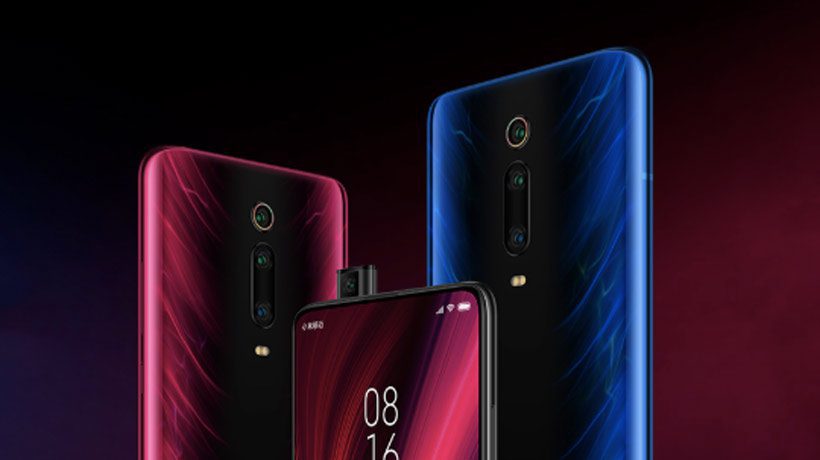
This is complemented by an AMOLED display without a notch hindering the symmetry of your device, a selfie camera shuttled by a pop-up mechanism, a camera triad on the back with dedicated sensors for optical zooming and ultra-wide photography aside from the primary 48MP shooter.
In terms of specifications, the K20 Pro stands tall and firm, but does it break new grounds in terms of what it delivers? To up its premium game, the smartphone gets a glass sandwich design along with Gorilla Glass 5 protection on both sides.
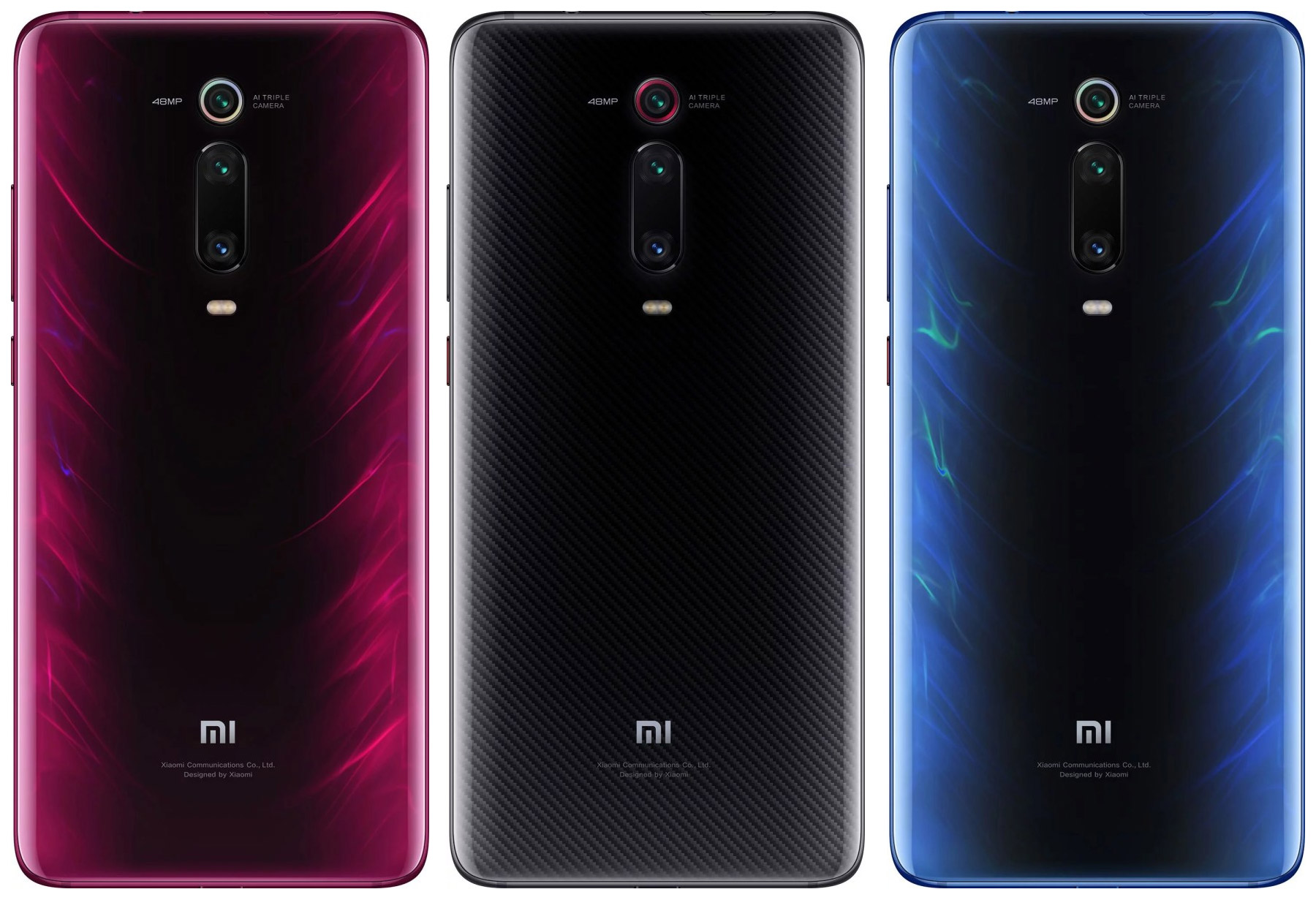
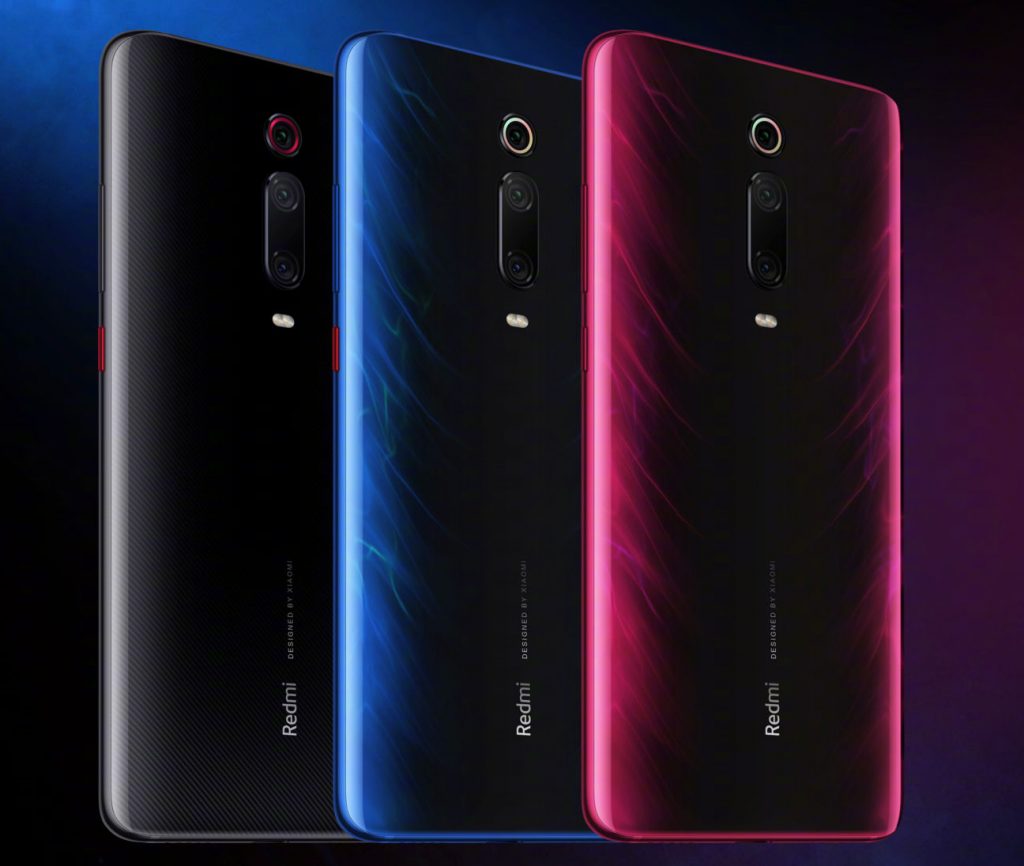
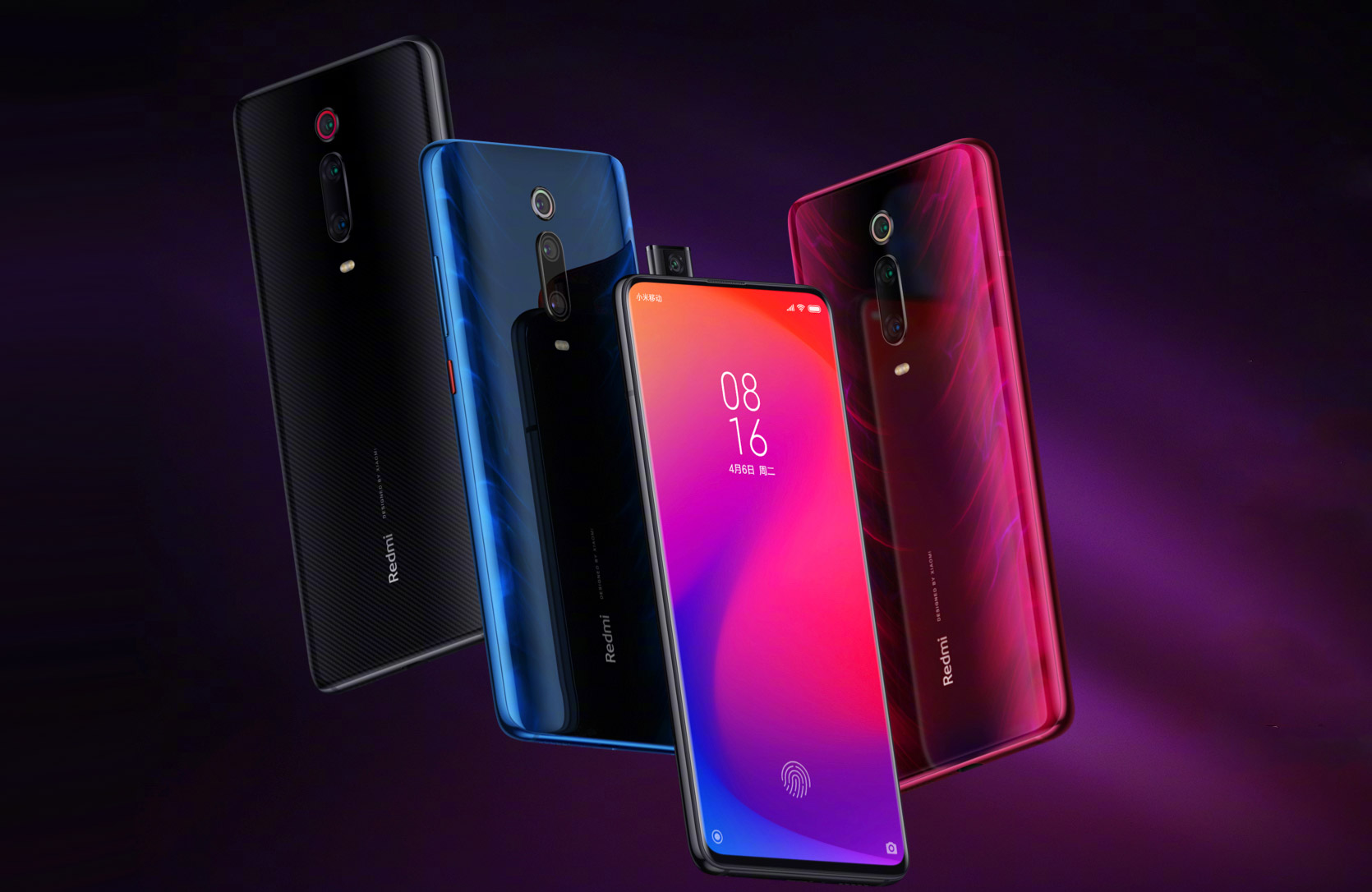
Redmi aces the hypnotizing 3D gradient trend on both the Flame Red and the Glacier Blue variants, and this makes the smartphone very attractive and distinctive.
Even after gawking at the patterns for literally several minutes in a row, I feel myself being so much in awe of the mesmerizing reflective surface.
The underlying pattern shifts and changes with the incident light.
A706 xiaomi mi 9 vs redmi k20 pro camera x285
In my first impressions of the Redmi K20 Pro, I talked about the fundamental layout of various elements in the design, so this section will be more critical and revolve around aspects worth admiring as well as being cautious about.
The curvature of the glass back adds to the grip and makes the phone feel slightly lighter, even though it weighs a little over grams. Redmi has added a thin and flexible plastic case within the box for those who prefer covering up fragile phones.
For the durability of the glass design, there is Gorilla Glass 5 on both sides and it is likely to put off users expecting the Redmi K20 Pro to feature the latest version of the protective glass.

By mistakenly throwing the smartphone in the same pocket as my keys, I have been able to create thick grooves on both the front or the back.
Based on the comments we received in our first impressions, many individuals seemingly equate curved screens with a premium smartphone and this disposition, in my understanding, is a side-effect of Samsung heaving its premium phone portfolio with curved screens.
With the OnePlus 7 Prothe original flagship killer brand — OnePlus — used this trick to make the smartphone appear more attractive.
Personally, however, I prefer the flat display since that not only makes it easier to type on the keys in the outward rows but also makes it easy to use MIUI gestures, especially the back gesture which involves swiping inwards from either of the edges.
The display measures 6.
07.02.2020 – Its parent company Xiaomi has moved the earth with its aggressive marketing to fortify claims of the Redmi K20 Pro being an invincible affordable premium flagship. The Redmi K20 Pro is really affordable, as is the Mi 9, and it comes with the same flagship processor as the Xiaomi Mi 9. The Xiaomi MI 9 does win the camera comparison, while you’ll notice that these two devices offer similar performance, while their displays are identical with similar output. The results are almost identical except for the slightly more saturated image of the Mi 9T.
The Redmi K20 Pro is embarked on a journey to acquire a similar reputation and the display does help it qualify as a premium device with its thin bezels around all the edges resulting in an attractive appearance.
In an era when dongles are common, the presence of a 3.
Redmi K20 Pro/Xiaomi Mi 9T Pro Review: ‘Flagship Killer’ Redefined
It is commendable that Redmi has managed to cram a headphone jack in the conveniently slim profile of the Redmi K20 Pro. However, that does come at the expense of an IR blaster, which sadly does not find a place on this smartphone.
This is especially useful when the selfie camera rises for incoming video calls or facial authentication. Throughout my usage, however, I have come to witness an issue with the selfie camera thanks to Twitter user F.
Xiaomi mi 9 vs redmi k20 pro camera watt
In most cases, this flaring is trivial unless the smartphone is held at a certain angle to the light source but it does leave you with the constant anxiety of avoiding it.
This video should help you understand the problem. The overall design of the Redmi K20 Pro is quite compelling, especially due to the not-so-subtle pattern on the back that can be likened to anything from blazing flames of fire to constantly shifting bands of clouds over Jupiter, to fractal patterns.
The design is thoroughly fascinating and competent enough to leave you awestruck. The reflective metal surface enclosing the pop-up camera remains to be a matter of concern.
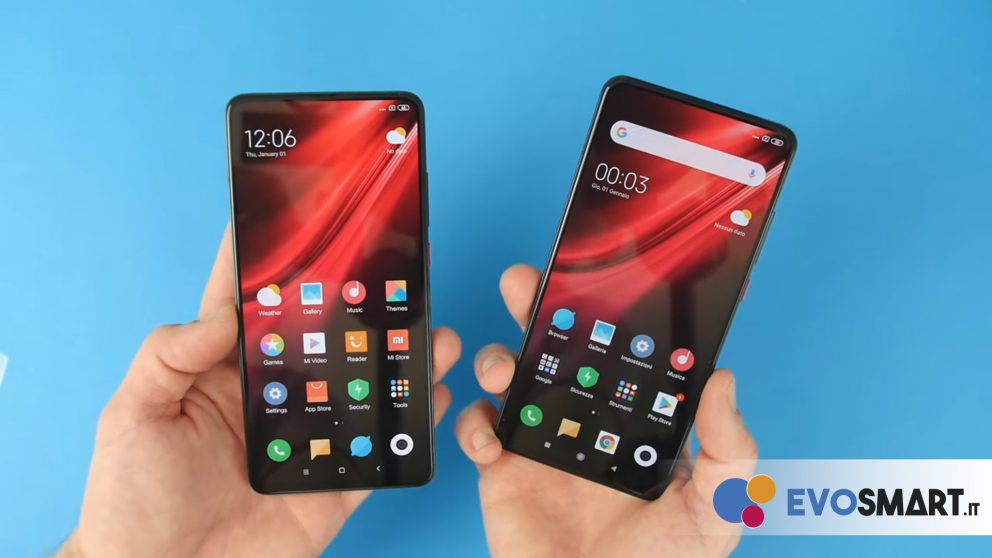
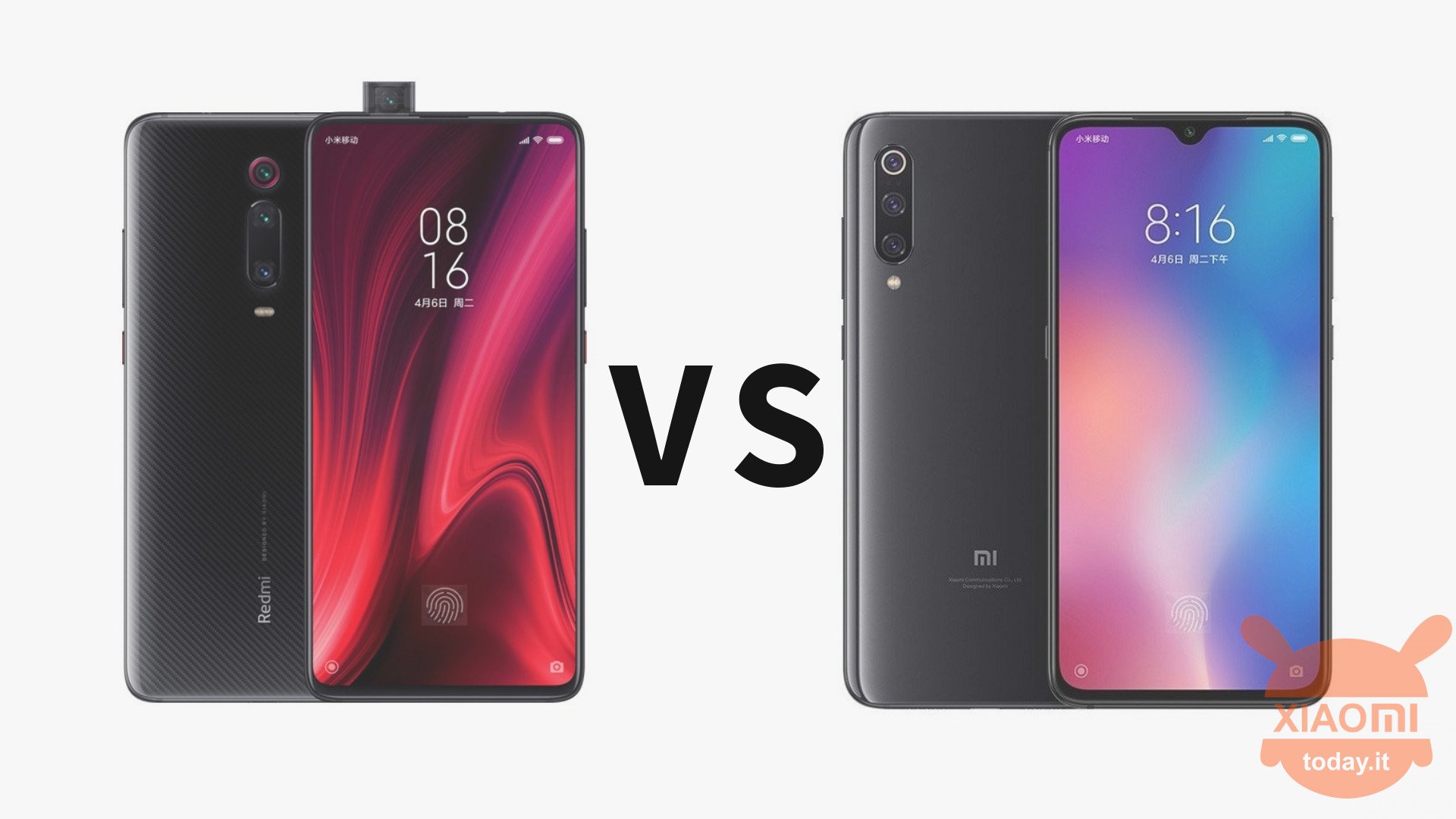
Notably, this is the same AMOLED panel as the flagship Xiaomi announced earlier this year — the Mi 9 — but the lack of a notch up on the top allows the Redmi flagship to have a slightly higher screen-to-body ratio.
Xiaomi mi 9 vs redmi k20 pro camera snails for
The display is hemmed in by thin bezels along all four edges, including the slight chin, which is modestly broader than the other three sides.
Just like other devices running this Android skin, you can alter the color tones to suit yourself. To the naked eyes, DC Dimming increases the brightness a tad bit but it prevents pulsating light beams at low brightness levels from causing any damage to your eyes.
Dylan confirms that the issue is venial as it plagues almost every mid-range OLED panels. Bands caused due to uneven illumination under the panel.
Xiaomi mi 9 vs redmi k20 pro camera fak 3nouds
On the matter of the quality of this display, I ran a few quick tests using the free version of the Display Tester app by Braintrapp. It supports multi-touch for up to 10 points simultaneously and this, again, is something standard yet delightful.
The Redmi K20 Pro passes with flying colors in the banding, contrast, and saturation tests, and only appears to be strained at the extreme ends of the color gamut i.
Additionally, the display is only slightly short of perfect in terms of the contrast test. However, the ghost touch issue linked with the 3-finger screenshot gesturewhich peeved many POCO F1 users, persists on this device too.
Surely, disabling the gesture option is an ideal way to deal with this but I would expect Xiaomi to fix the issue after almost a year of agitation by the users.

Plus, it basically renders an effective gesture in MIUI useless. Do keep in mind the risks associated with such a move, though.
The Redmi K20 Pro fares well on the expectations from a premium smartphone in terms of the overall build and the display as well as exhibits the right set of apparatus for a flagship-grade performance.
The octa-core of the mobile platform consists of eight 7nm Kyro cores clubbed in three different clusters. These include a single high-performance core at 2.
Unquestionably, the muscle power that the Redmi K20 Pro displays is flagship-grade.
Constantly using the device for a month now, I have not come across a single incident of stutter or lag and the same can be expected from the variant with 6GB RAM.
Starting first with AnTuTu, the K20 Pro breaches the k mark and comes near — although short of — other smartphones rocking the same chipset. Despite the same configuration as the Mi 9, our K20 Pro review unit lags slightly behind by a noticeable margin by almost 20, points.
Moving to GeekBench 4, one of the most straightforward and diversely used synthetic benchmark.
Compare Xiaomi Redmi K20 Pro –
Unlike the POCO F1, which had a liquid-based heat sink, the K20 Pro comes with multiple layers of graphite around the motherboard to dissipate the heat.
PCMark Work 2.
The Redmi K20 Pro takes a barefaced beating from the OnePlus 7 in these tasks and this is likely to be due to the faster storage technology on the latter.
Not only does it fare below most other smartphones with Snapdragonbut it also falls short of other devices with Snapdragonincluding the OnePlus 6T.
Here are the comparison scores for you to check out:.
For the durability of the glass design, there is Gorilla Glass 5 on both sides and it is likely to put off users expecting the Redmi K20 Pro to feature the latest version of the protective glass. Xiaomi mi 9 vs redmi k20 pro camera Throughout my usage, however, I have come to witness an issue with the selfie camera thanks to Twitter user F. The Xiaomi Mi 9’s battery life is not bad by any means, but if you’re a heavy user, there’s no way the device will last you a whole day, which is something the Redmi K20 Pro can pull off.
I ran GFXBench, which is another benchmark for demanding graphics-related tasks, and I could observe a similar trend with lower scores than the competitors in each of the tests.
While UFS 2. Interestingly, Idrees found no substantial real-life difference despite the faster USF 3. Further, another intriguing trend in comparison with the UFS 3.
The lower GPU performance we saw in the benchmarks above may be something to ponder over for a few seconds, but in real life, I have not experienced any lag or frame drop while playing every game I tested on the device at the highest settings.
Unfortunately, I was not able to grant access to GameBench — both free and Pro versions — to be able to analyze what the smartphone can yield in terms of gaming more accurately.
After a couple of hours of troubleshooting with the patient engineers from Gamebench, I was informed that the build of MIUI running on the unit I have lacks certain libraries required for the gaming benchmark tool to run.
The future course of action involves flashing the latest build of MIUI on the K20 Pro unit so that this article can be updated in the future.
For the times I was confined within a set of walls, I would prefer lowering down the sound. Music playback through the single speaker is good too but is more aggressive towards the higher frequencies as with loudspeakers usually.

While Redmi does not include a headset within the box, you can customize the quality of the sound using the variety of headphone effects from the Setting in MIUI.
There are two ways to unlock the Redmi K20 Pro — the in-display fingerprint scanner and the face unlocking features.
To unlock the smartphone using face unlock, the pop-up camera must be retracted and this takes almost a second of motion, and for this reason, I prefer using the fingerprint scanner.
The rear camera also comes with autofocus laser, the two visible dots located between the primary and the wide-angle sensors.
The camera, for one, feels versatile and secondly, is very dependable. Besides photography at up to 48MP, the smartphone is capable of 4K video recording at 60fps, which is clearly something videography enthusiasts will enjoy.
Furthermore, the Redmi K20 is also equipped with the same camera setup, so you can feel free to use this as a camera review of either of the devices.
Since these are formed by combining four pixels into one, the images turn out to be well-lit and sharp.
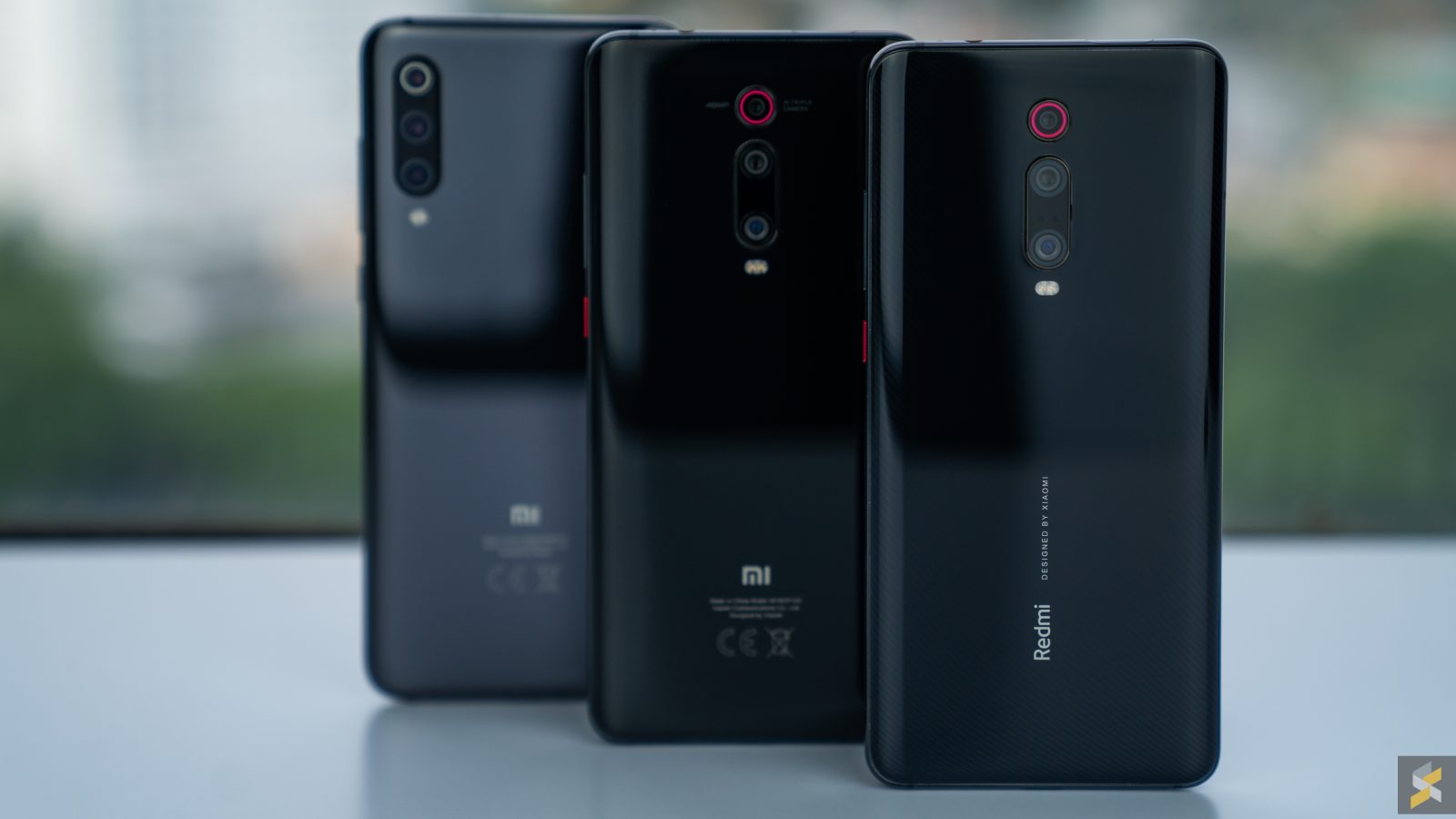
It all depends on what you’re looking for in a device, but the Redmi K20 Pro is the winner, all things considered. Practical applications of this feature involve capture wider landscape as well as capturing large groups of people. Xiaomi mi 9 vs redmi k20 pro camera The photo was taken without any beauty turned on. Not only is its design cleaner on the front, but it does bring more flare on the back as well, even though the Mi 9 is also a nice-looking device.
In terms of colors, the images taken by the Redmi K20 Pro are very vibrant but some users may find them more saturated — or these might at least look very saturated on the smartphone AMOLED display.
This may require some editing but overall, the images are likely to justify the requirements of the majority of users. The only intriguing bit about the camera is that the images usually have ISO values of more thanwhich may result in unexpected noise.
As expected, the 48MP shots on the K20 Pro appear to have more light and saturation than the ones captured in the standard model.
While higher resolution images are traditionally thought to have more details than 12MP ones, it depends on the amount of light. If the 48MP images get decent ambiance, the output shots actually have more details than the 12MP ones but in the absence of adequate light, we come to see more noise and fewer details.
Further, at night or in low-light, the 48MP images have higher ISO value and, thus, greater optical as well as color noise in the images.
Take a look at the samples below. Taking advantage of the second camera on the Redmi K20 Pro, you can take images at 2X optical zoom.
The telephoto lens on the K20 Pro supports auto-focus and outputs images at 8MP resolution. While the telephoto camera captures images with ample details, the colors are visibly less vibrant.
In scenarios with low light, the primary sensor digitally zooms to 2x to replicate the telephoto effect. While this can easily impact the details, I prefer using this in certain scenarios such as for taking macro shots without actually closing in on the subjects.
Practical applications of this feature involve capture wider landscape as well as capturing large groups of people. Because of the lower luminance, the wide-angle images appear to have better contrast than the ones captured with the primary camera.
Along with the pixel binning technology, the camera on the Redmi K20 Pro can capture a good amount of details in low-light scenarios. The Redmi K20 Pro does not feature a dedicated depth sensor and the telephoto camera is used for portraits or images with a bokeh effect.
It captures a good amount of details, but it has a notable smoothening effect on the face. In a lot of cases, this may result in the background being washed out, which is something that irks me.
Considering the impressive performance of the rear camera, I do feel that the Redmi flagship deserved a better selfie camera. The camera does perform explicitly well while taking portrait selfies.
The edge detection is on point and you can choose from a variety of stage lighting effects available in MIUI.
 ASUS ZenFone 3 Zoom ZE553KL Dual SIM Phone RAM 4GB + ROM 64GB